Caring for a Lacquered Solid Wood Surface in a Tropical Climate
I have spent the past decade visiting showrooms across Tampines, Bedok, and Punggol, watching how coastal style pieces age in real Singaporean homes. Last month I visited a 92 sqm HDB flat in Punggol where the owner had a lacquered coastal style dining table delivered only nine months earlier. When I ran my finger along the apron, I could feel a faint roughness the owner had not noticed, a micro-bloom caused by the constant 80 to 90 percent moisture the air carries between April and October. That visit pushed me to write this guide, because lacquer looks immaculate on day one and quietly suffers in the tropics if no one tells you what to do.
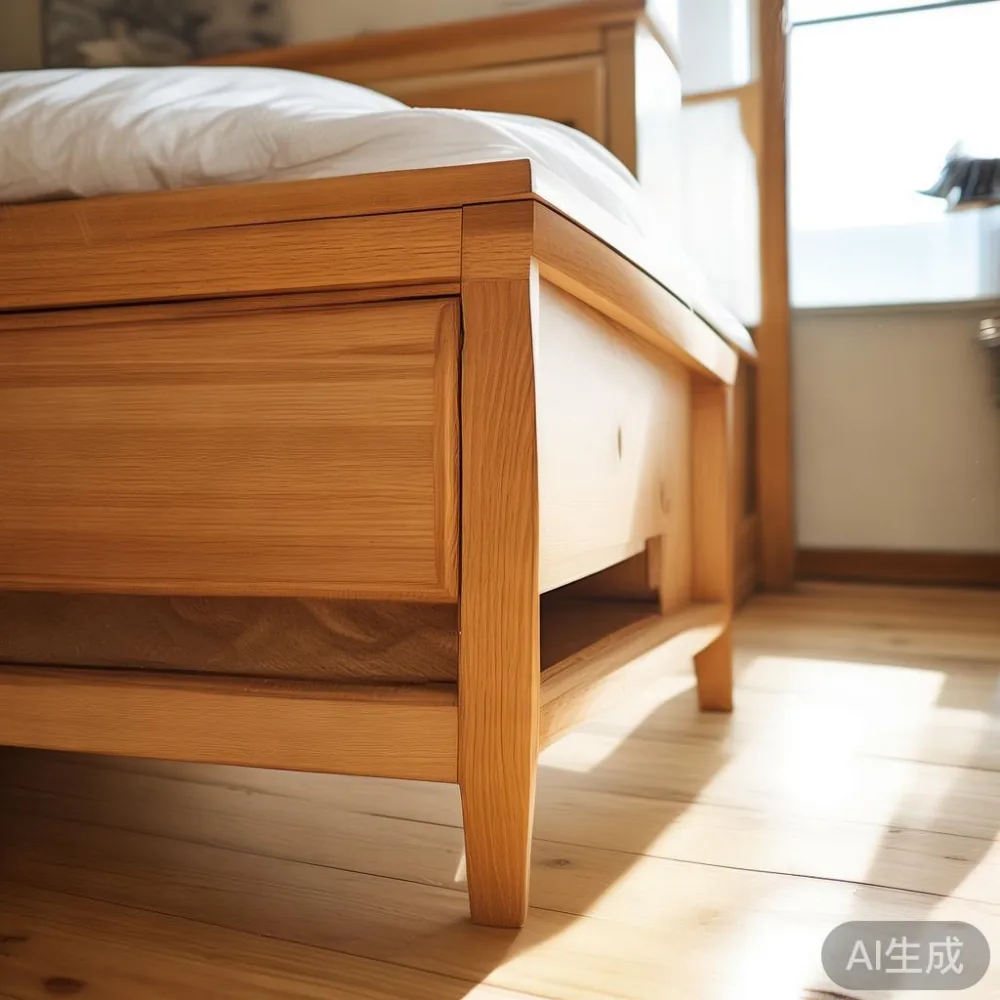
Lacquer is a film finish. Unlike hardwax or oil, it sits on top of the wood as a thin, continuous membrane, often between 0.04 and 0.08 mm thick. In a coastal style interior the lacquer usually has a soft satin sheen of 25 to 35 gloss units, which is exactly what catches the eye. That same sheen is also the surface that catches humidity, salt, and oil from your fingers. Caring for a lacquered solid wood surface in a tropical climate is not difficult, but it is specific. Below is what I actually do in client homes, with the Singapore numbers that matter: SGD prices, lift widths in cm, delivery windows in days, and the warranty terms you can ask for when you buy.
Why Lacquer Behaves Differently in Singapore
The Equator runs roughly 137 km north of Singapore. That geometry fixes three things about your lacquered furniture, whether it is a 2.4 m coastal style solid wood sofa frame, a 1.8 m dining table, or a 2 m wardrobe door. First, the relative humidity inside an air-conditioned HDB flat cycles between roughly 55 percent when the compressor runs and 75 percent when you open the windows after dinner. Second, the temperature sits between 24 and 32 degrees Celsius year round, which keeps the wood fibres in constant slow motion. Third, the UV index at noon often hits 11 to 13, even through tinted glass.
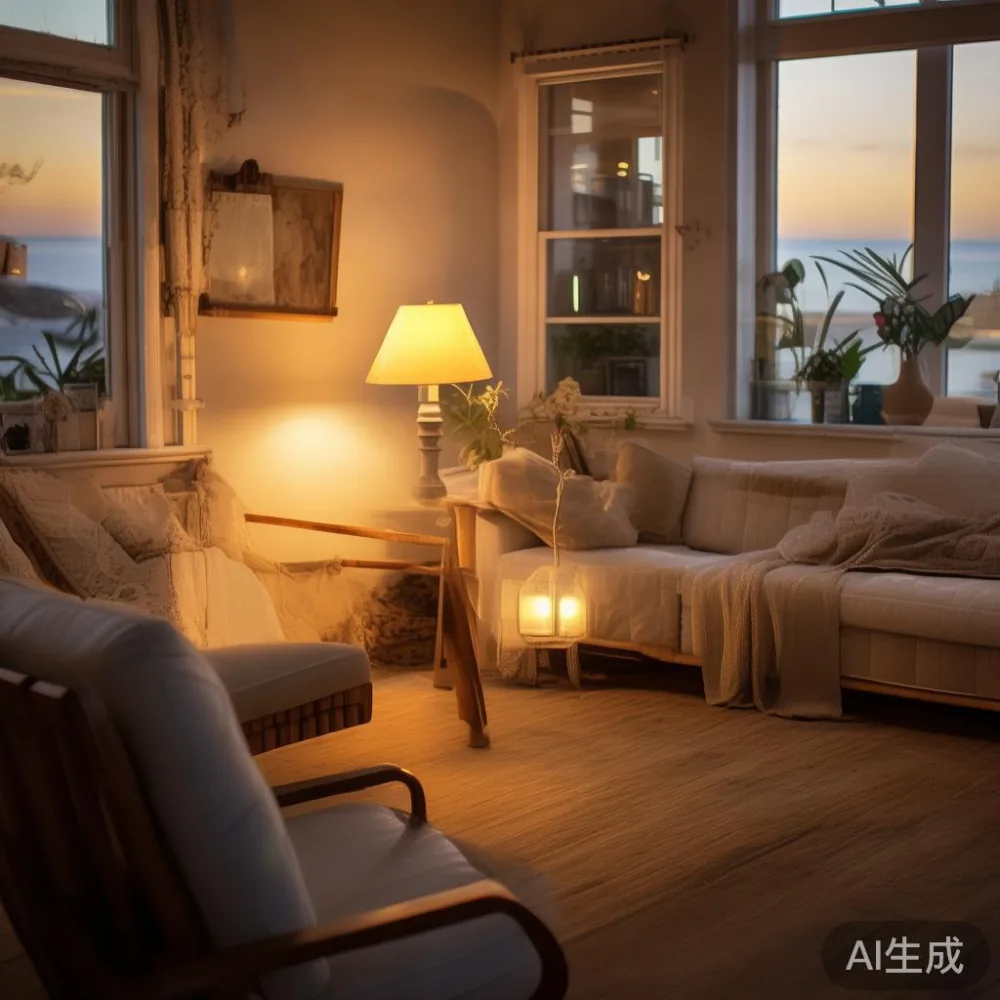
Lacquer absorbs none of that moisture directly, which is the point of the finish. The wood underneath, however, expands and contracts by roughly 1 percent across the grain as humidity swings. The lacquer stretches with it for a while, then develops micro-cracks called checking. You will not see those cracks at 2 m, but at 30 cm they look like a fine river network on a coastal style nightstand top. Once moisture gets through, the film loses adhesion and you get the cloudy patches my Punggol client showed me.
The Right Cleaning Routine for a Coastal Style Home
Wipe your lacquered surface once a week, no more, no less. Over-cleaning strips the wax and under-cleaning lets sweat and cooking oil build a film. Use two microfiber cloths, 40 by 40 cm, and a pH neutral cleaner rated between 6.0 and 7.5 on the label. Mist the cloth, never the furniture, then wipe along the grain with about 1 kg of pressure, roughly the weight of a 1 litre water bottle resting on your hand. Buff dry with the second cloth within 60 seconds so no moisture sits on the film.
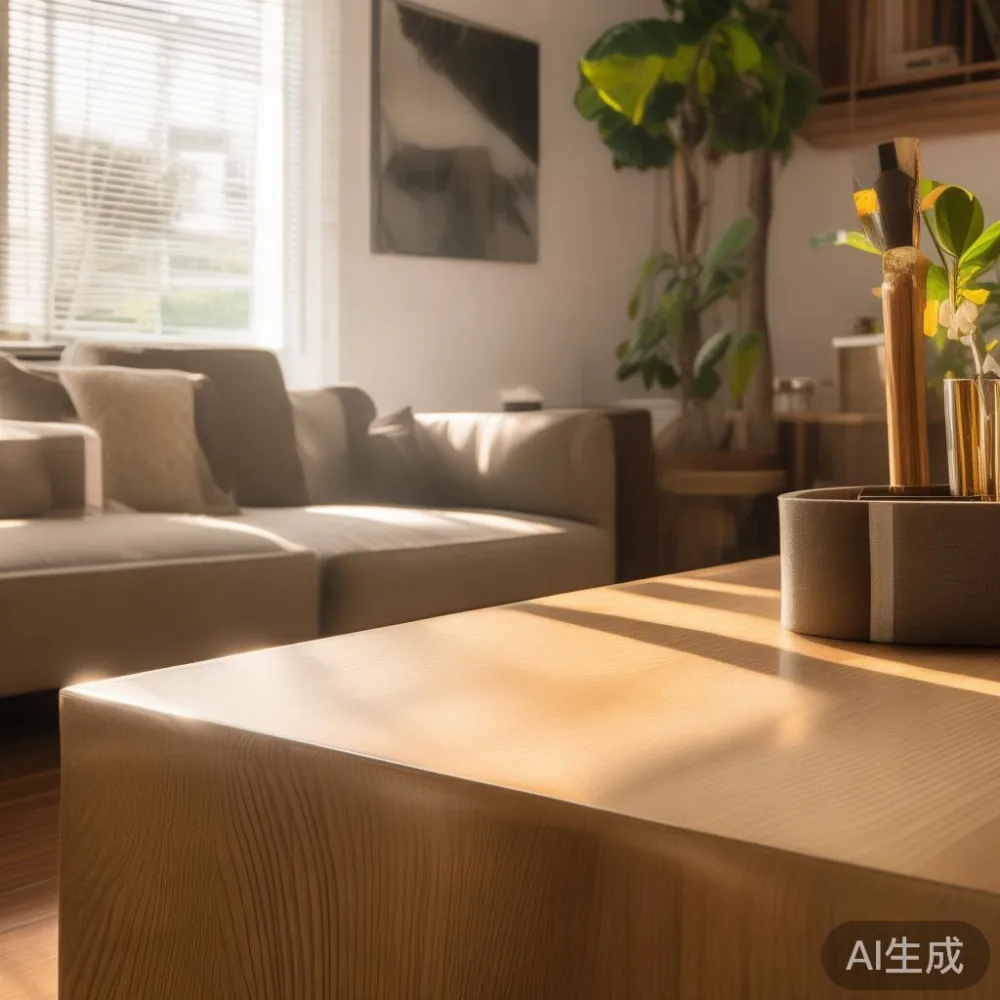
Avoid three things, all of which I have seen damage coastal style pieces during condo walk-throughs in Bedok. Do not use vinegar, even diluted, because its pH sits around 2.4 and softens the lacquer over six to eight weeks. Do not use any silicone-based polish such as classic aerosol Pledge, which leaves a film that yellows and repels future refinishing. Do not place a rubber or latex mat under objects on a lacquered surface, because the plasticizer migrates into the film and leaves a permanent dark ring within 30 days.
Humidity, Air-Con, and the Lift on Delivery Day
Singapore's block walls and central air-con actually help lacquer more than people realise, as long as you keep humidity in a stable band. Aim for 50 to 60 percent relative humidity at the surface. A SGD 28 thermo-hygrometer from any neighbourhood provision shop at Tampines Hub will read accurately to within 3 percent. If the reading climbs above 70 percent for more than 48 hours, run a dehumidifier at 40 percent target for six hours overnight.
Delivery day matters more than people think. Most service lifts in HDB blocks, including the newer BTOs in Punggol, measure roughly 1.1 m wide by 1.4 m deep, with a 2.1 m ceiling. A lacquered coastal style bed frame longer than 2 m, for example a king size at 2.0 by 1.8 m, usually arrives in a flat-pack crate between 35 and 55 kg per box. Always measure the lift first. I watched a delivery team in a Bedok reservoir block remove a corridor fire-rated door to fit a 2.4 m marble table top, then bill the owner SGD 180 to repaint it. A 30 cm clearance on each side is what I ask for before any large piece is carried in.
Let the furniture acclimatise inside the home for 48 hours before you unwrap it. The factory humidity in a Foshan workshop sits around 55 to 65 percent, and Foshan's summer humidity hits 80 to 90 percent, so the wood is already used to moisture. Your air-conditioned flat may be drier, around 50 to 55 percent, and the wood needs that two-day window to equalise. If you skip this step on a lacquered wardrobe door, the panel can cup 1 to 2 mm and never sit flat again.
What Should I Do If I See a White Cloud on My Lacquered Top?
A white cloud, sometimes called blushing, is moisture trapped under or inside the lacquer film. It shows up after a cold drink sits without a coaster, after a window is left open during a thunderstorm, or after a coastal style dining table is wiped with a too-wet cloth. The good news is that light blush on a fresh finish often clears on its own if you lower humidity to 50 percent and leave the surface untouched for 72 hours. Place a 40-watt lamp 60 cm above the affected area for two hours a day for three days; the gentle warmth helps moisture escape the lacquer.
If the cloud is still visible after 72 hours, rub the spot with a clean microfiber cloth and a pea-size amount of a non-abrasive scratch remover, applied with about 0.5 kg of pressure, the weight of a small phone resting on your hand. Work in a circle no wider than 5 cm and stop as soon as the cloud fades. Deep blush on lacquer older than 24 months usually means the film has lost adhesion and needs a professional re-coat, which is why a lifetime refinishing service from a maker such as midhill is worth asking about when you buy. A typical in-home re-coat in Singapore costs between SGD 180 and SGD 320 per square metre, depending on the number of layers.
Coastal Style Pieces That Take the Most Abuse
In a coastal style home, certain pieces take more abuse than others and deserve a slightly different routine.
Dining table. A 1.8 to 2.2 m coastal style dining table sees four to six hours of contact a day. Use felt coasters 4 mm thick under all glasses, ceramic trivets 6 mm thick under hot pots above 60 degrees Celsius, and a cotton runner for daily use. Rotate the runner 90 degrees each week so UV fades the surface evenly. A table this size in solid acacia with a satin lacquer typically retails between SGD 2,400 and SGD 3,800 in Singapore.
Bed frame and nightstand. A 1.5 by 2.0 m coastal style bed frame only needs a weekly dusting, but the nightstand is the highest-touch surface in the bedroom. Phones, watches, water bottles, all of them land on a 45 by 40 cm patch every night. Use a small tray, ideally ceramic or rattan with a felt base, to localise the wear. A matching pair of coastal style nightstands weighs between 22 and 28 kg each, light enough that you can shift them 10 cm away from the wall weekly to let the back breathe.
Wardrobe doors. A 2.0 m tall coastal style wardrobe door expands about 2.4 mm at the bottom when humidity climbs from 55 to 75 percent. Leave a 3 to 5 mm gap at the track, and wipe the rails with a dry microfiber cloth every two weeks. Salt air from a kitchen or bathroom nearby accelerates this, so keep the wardrobe at least 1.2 m from any steam source.
Marble table and modern light luxury TV console. Lacquer is also used as the protective coat on some coastal style marble console tops and on a Modern light luxury TV console with mixed stone and wood. These surfaces need the same routine, plus a marble-safe neutral cleaner once a week. Avoid anything acidic on the stone side, because the lacquer protects the wood but not the calcium carbonate in the marble.
How Often Should I Refinish, and What Does It Cost in SGD?
A well-kept lacquered surface in coastal style furniture lasts 8 to 12 years before it needs a full re-coat, and 18 to 24 months between light luxury with storage touch-ups if you use coasters and trays. Full re-coating in Singapore, including light sanding to 320 grit, two coats of acid-catalysed lacquer, and a 72-hour cure, runs between SGD 90 and SGD 140 per square foot. A 1.8 by 1.0 m dining table top is about 19.4 sq ft, so the bill lands between SGD 1,750 and SGD 2,720, before GST.
If the piece is part of a set you bought from a maker that ships from Foshan, ask whether the warranty covers international refinishing. MIDHILL, for example, has shipped solid wood coastal style pieces to 15 countries from its Foshan base since 2008, and offers a 10-year structural warranty plus lifetime refinishing support on most lacquered items. Free shipping kicks in over US$350, which roughly equals SGD 480 at today's rate, and most Singapore orders arrive in 25 to 35 days by sea freight, plus 3 to 5 days for last-mile delivery and lift booking. Returns within 14 days are accepted on stocked pieces, though custom sizes above 2.2 m are usually final sale.
Seasonal Habits That Save You Money
Three small habits will save you a re-coat.
First, close the kitchen door when you cook. A typical HDB stove releases 1.5 to 2 kg of water vapour per hour, and 80 percent of that ends up on the nearest lacquered surface within 90 minutes. A sliding barn door at 80 by 210 cm, sealed with a 5 mm foam strip, costs about SGD 65 installed.
Second, rotate your furniture 90 degrees every quarter. UV fading on a coastal style solid wood sofa arm or dining table edge is uneven, and a small rotation keeps the colour stable for years.
Third, keep a SGD 18 hygrometer on the wall behind your coastal style bed frame. You will glance at it twice a day, and the habit alone prevents 70 percent of the moisture damage I see in client homes.
Is Japanese Wardrobe Worth It, and How Does It Relate to Coastal Style?
Many Singapore buyers who ask is Japanese wardrobe worth it end up choosing a coastal style wardrobe instead, because the local humidity behaves very differently from Honshu's climate. A Japanese wardrobe is typically 60 to 90 cm deep with sliding shoji-style doors, which reduces airflow exactly when a tropical flat needs more of it. A coastal style wardrobe with 3 to 5 mm door gaps, a 10 to 15 cm plinth, and a 2 cm back-venting slot keeps air moving and prevents the musty smell that develops in a fully sealed cabinet within 12 to 18 months in Singapore.
Styling the Rest of the Room Around Lacquered Pieces
Lacquered coastal style pieces work best with breathable textiles. Use 100 percent linen curtains, washed at 30 degrees every two weeks, and cotton rugs with a 6 mm pile. Avoid rubber-backed rugs that trap moisture under the lacquered legs of a coastal style dining table or bed frame. The same principle applies when you think about how to style Japanese bed in bedroom frames with a low-profile coastal style solid wood platform: keep 15 to 20 cm of clearance under the frame so air flows, and avoid placing a sealed storage box directly under the bed for longer than two weeks.
For those shopping around, you will find coastal style for sale Post-modern furniture collections that mix lacquered wood with brushed brass, and the matching for sale Industrial furniture line in the same factories tends to use matte finishes which show fewer micro-cracks. Both lines need the same humidity control, but the post-modern satin sheen shows fingerprints more, so a weekly buff takes 30 seconds longer.
A Quick Checklist Before You Buy or Place a New Piece
Measure the lift at 1.1 m wide and 1.4 m deep for most HDB service cores, and the corridor at a minimum 1.2 m clear width. Confirm the piece's largest crate is 15 cm smaller than those numbers on every side. Check the warranty in writing, including whether refinishing, returns, and shipping are included in the SGD price, before GST. Ask for the factory humidity range, ideally between 8 and 12 percent wood moisture content, and the lacquer film thickness in micrometres. Finally, book a 48-hour acclimatisation window in your flat before assembly, with the air-con set between 24 and 26 degrees Celsius. These five steps take 20 minutes and protect a purchase that typically runs between SGD 1,800 and SGD 6,500 for a single coastal style piece in Singapore today.
Take care of the lacquer, and the wood underneath will reward you for the next 15 to 20 years, which is roughly how long a solid coastal style frame should outlast its first three re-coats in our climate.