How Southeast Asian Humidity Affects Solid Wood Furniture in Singapore
Singapore’s tropical climate can change solid wood by a few millimetres in the course of a day. Warm, moisture-laden air enters a bedroom at 8 a.m.; an air-conditioned room may fall to 22°C by noon; rain raises humidity again after 4 p.m. For furniture in HDB flats and private condos across Tampines, Bedok and Punggol, this repeated movement matters more than the occasional monsoon shower.
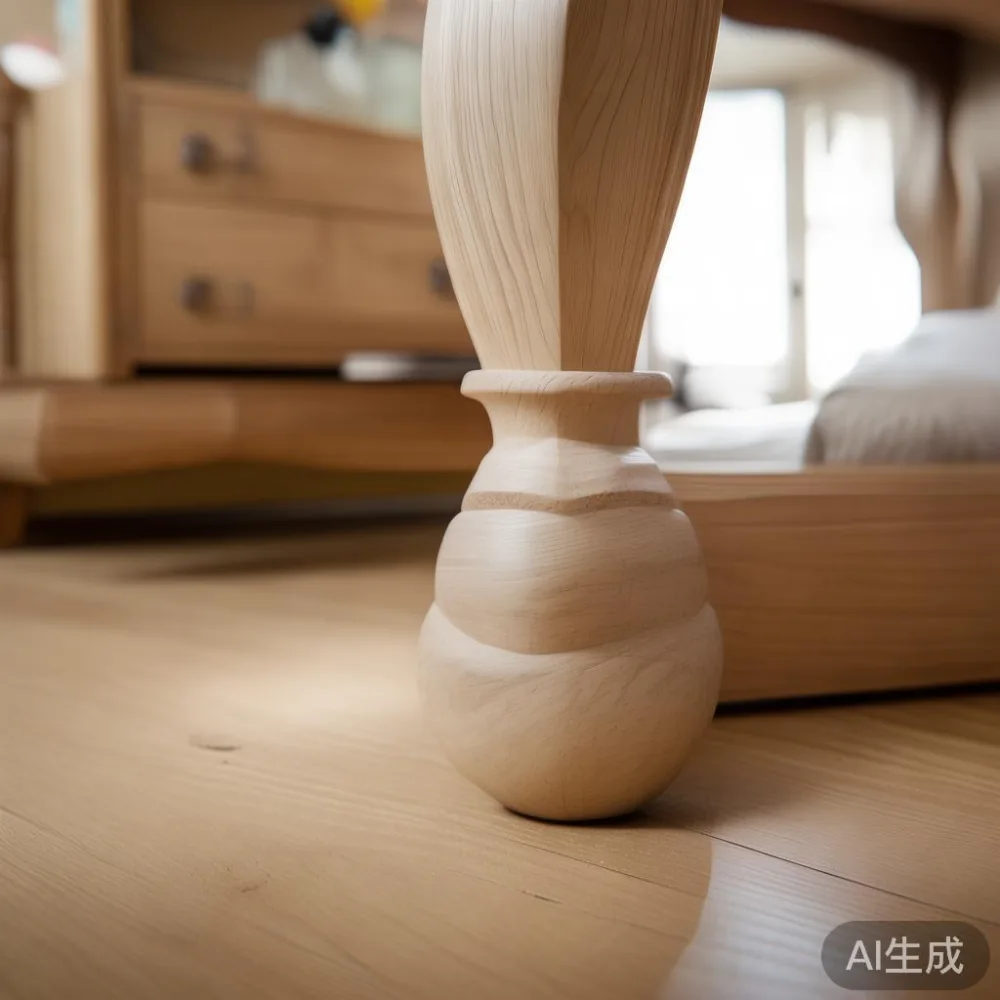
Coastal style suits Singapore homes not only because of its pale, relaxed palette, but also because well-made furniture can remain stable through humid weather. The material must be selected, finished and installed with care. Its construction must also respect narrow lift doors, common corridors and compact urban rooms.
At MIDHILL, we design solid wood furniture for practical use while retaining the proportions and tactile character associated with French light luxury and American light luxury. Coastal style pieces can bring openness to a 30 sqm studio or a larger family home without relying on heavy visual ornament.
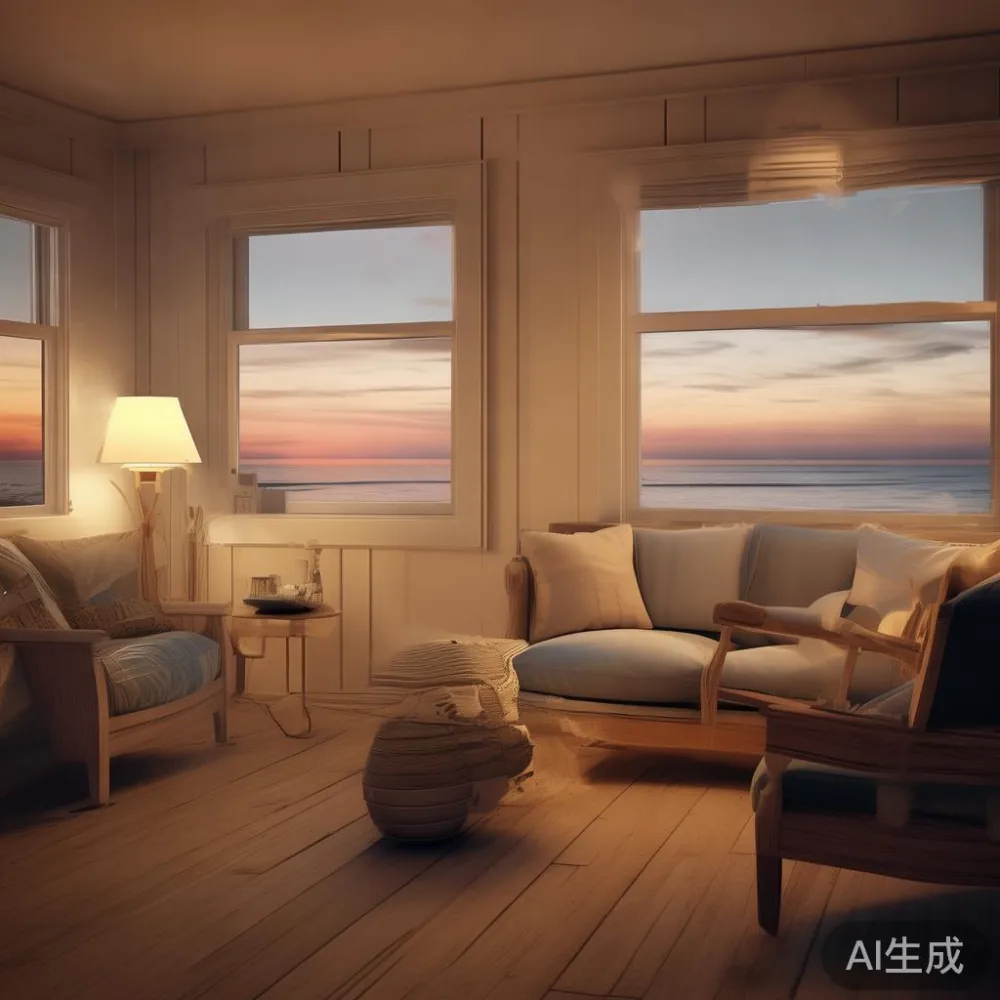
Why does humidity make solid wood furniture move?
Wood is hygroscopic: it absorbs moisture when the surrounding air is humid and releases it when the air becomes dry. The movement is directional, with tangential shrinkage across the grain often exceeding movement along the grain. A dining table may expand by roughly 1–3 mm across its width when humidity rises from 60% to 85%, while movement along a 180 cm length may remain below 1 mm. Small movements are normal; abrupt changes, unsealed surfaces and unsuitable joinery can turn them into problems.
Seasonal humidity in Singapore commonly ranges from about 65% to 90%. A west-facing unit in Bedok may reach higher readings near a window, while an air-conditioned bedroom may sit near 50%. A wardrobe beside a bathroom or a bed frame close to an open window can therefore experience more daily variation than a dining table in the centre of a living room.
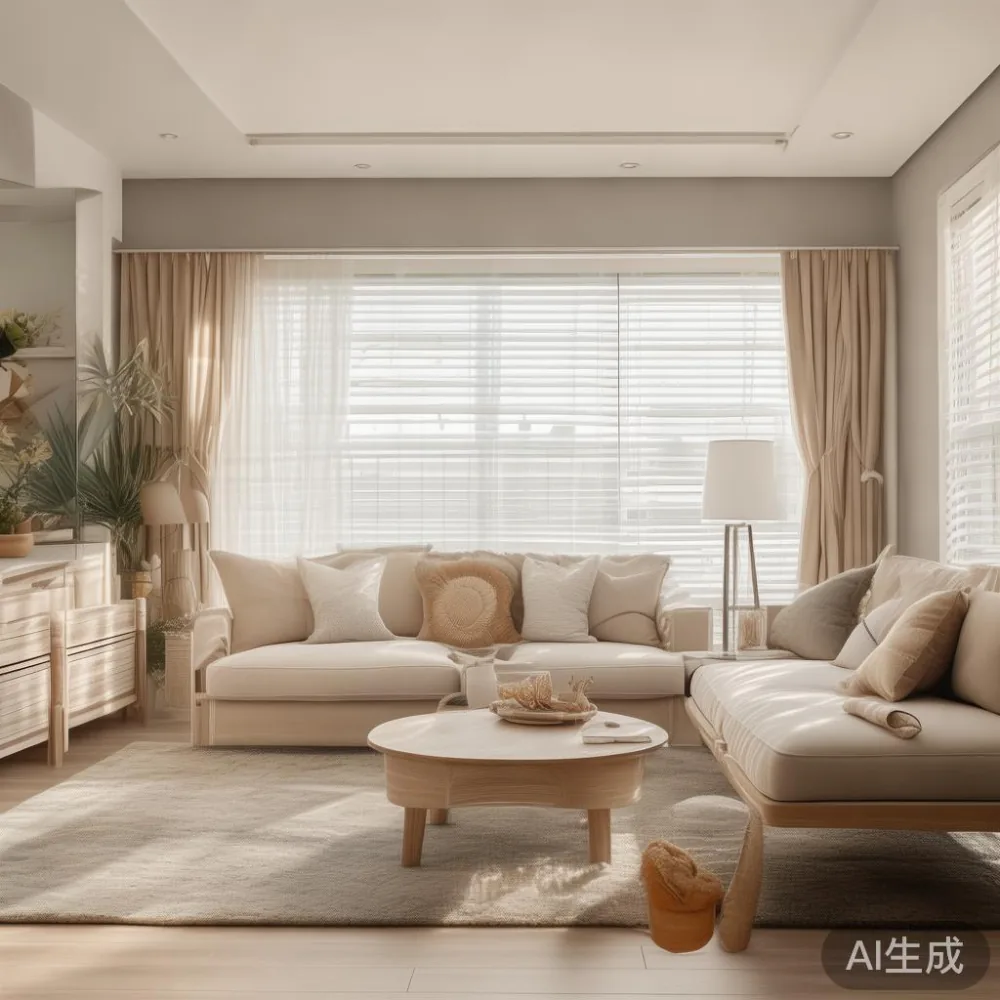
The main warning signs are a sticky door, a drawer that catches, a bowed panel, or fine checking on a tabletop. These signs do not automatically mean defective timber. They may indicate that the piece needs time to acclimatise, that the air-conditioning is too aggressive, or that the finish has been compromised by moisture and dirt.
How wide are HDB lift doors and common corridors?
Humidity is only one part of furniture planning in Singapore. Access determines whether a solid wood bed frame, dining table or wardrobe can reach its room. Older HDB lift openings may measure about 80–90 cm wide and 200–210 cm high, while renovated and newer blocks often provide larger entrances. Internal corridor turns can be narrower, and a package may need to be turned vertically or diagonally.
Before delivery, check the lift door, lift car, landing and the route from the flat’s front door to the intended room. A 160 cm dining table may fit through an 85 cm opening if delivered on its side, yet a wide 210 cm tabletop could have projecting edges that make the route impossible. A 180 cm wardrobe is easier to move as two modules than as one rigid body. Two installers can usually rotate a 70 kg sideboard more safely than three people manoeuvring it through a 90 cm corridor.
Measure the narrowest point, not merely the entrance. Include the space needed to open the lift doors, clear the fire hose reel and avoid the ceiling pipe in an HDB corridor. For condo service lifts, obtain the loading-hour rules, reserve the lift and check the maximum load. A 500 kg lift may accept the furniture weight but still fail if a large carton blocks the doors or floor markings.
Which solid wood pieces suit Singapore’s humidity?
Solid oak, ash, beech, walnut and other properly kiln-dried hardwoods can work well in Singapore. The specification matters more than the species name alone. A well-made solid wood sofa should use stable frame members, restrained joint movement and a finish suitable for indoor humidity. The same principle applies to a solid wood dining table, bed frame, wardrobe and nightstand.
Marine plywood may be used in selected carcasses, but a solid timber component should not be described as solid wood merely because plywood appears beneath it. Ask the seller which surfaces and structural parts are timber. For coastal style, solid oak works naturally with pale fabrics, linen textures, light stone and weathered colours. Walnut adds warmer contrast and can support post-modern light luxury styling without making a compact room feel crowded.
A solid wood bed frame must also allow for floor ventilation. Keep it about 5–10 cm away from a tiled wall where practical, especially in a humid corner. A dining table should stand clear of a persistent damp wall and be protected from outdoor splash. A wardrobe can be fitted with a 10–20 mm rear ventilation gap, while its top should not touch a sloping ceiling.
Buyers comparing Japanese bed vs Nordic bed options should pay closer attention to construction than to a label. Japanese designs may use a compact footprint, while Nordic forms often emphasise visible timber and open framing. Neither removes the need for stable wood, sound joints and a moisture-conscious finish.
For shoppers researching the best Vintage bed for 2026, the same rule applies: a distressed appearance should be a surface style, not evidence of unstable construction. A bed with a sound centre rail, close-fitting joints and even spacing will serve a Tampines family more effectively than one selected only for its aged visual effect.
Current buyers searching for the best Japanese bed for 2026 should check platform clearance, mattress compatibility and humidity resistance. The best Japanese bed for 2026 for an HDB room is not simply the smallest model; it is the one that enters through the lift, leaves 60 cm beside the bed where circulation requires it, and uses restrained finishes that tolerate seasonal movement.
Can a coastal style dining table survive Singapore’s weather?
A well-finished solid wood dining table can remain serviceable for decades, provided the finish is maintained. Factory-applied lacquer or hardwax oil creates a sacrificial barrier, but kitchen use introduces another risk: hot pots, water rings and cleaning chemicals. Use a mat, remove spills promptly and avoid dragging objects across the surface.
For a 180 × 90 cm table, allow about 90 cm around the ends and 60 cm per place for chairs. This gives 6 comfortable seats, although a compact 150 × 80 cm model may suit an HDB dining zone more closely. A 220 cm table generally needs a room of at least 330 cm in the long direction to preserve circulation.
Singaporean coastal conditions call for controlled drying rather than a schedule of constant chemical treatment. If the table arrives during a very humid week, let it acclimatise in the room for 48–72 hours before tightening any adjustable fittings or placing a heavy centre section. A marble table responds differently: stone itself changes little, but the wooden or metal support beneath it should be checked for level and stable contact.
Buyers learning how to choose French provincial sofa should consider frame quality, cushion recovery and removable covers alongside climate performance. A loose, lightly textured coastal style cover can be aired on a balcony or near a fan, provided it is dry before returning to the sofa. Avoid placing a French provincial sofa directly against an uninsulated exterior wall, where condensation may transfer to the frame or fabric.
How should a wardrobe and nightstand handle changing moisture levels?
A wardrobe experiences humidity through several routes: warm air at the top, condensation near a bathroom wall, and minor air exchange around the doors. A 220 cm tall unit may show different movement at its upper and lower ends during a rapid weather change. Quality joinery accommodates this by using long-grain or sliding joints where appropriate and allowing panels to move without splitting.
Check that doors align after the unit has stood for at least 24 hours. Hanging rails should be fixed to structural members, not thin decorative panels. A ventilated recess of 10–20 mm behind the unit can reduce trapped moisture, while a 60–90 cm service space in front may be needed for installation and future access.
Choose a nightstand with a stable drawer base and a finish that can withstand damp handwashing. A 45 × 40 cm top is adequate for a bedside cup, phone and lamp, but deeper 40 × 40 cm models can provide useful drawer volume. For a compact HDB bedroom, a 35–40 cm wide unit may preserve a 60 cm passage around the bed.
Solid wood nightstands should not be placed beside a running humidifier or directly under an air-conditioning vent. Aim to keep them about 30 cm away from a vent that repeatedly blows cold air onto the surface. Maintaining relative humidity around 50–65% can reduce seasonal movement, but buying a separate dehumidifier solely for one cabinet is usually less practical than using existing air-conditioning and sensible placement.
What finish and maintenance routine work best?
For indoor tropical furniture, a multi-coat lacquer or hardwax oil can protect the timber, depending on the intended look and cleaning habits. Lacquer is convenient for a family dining table because marks can be wiped away, while hardwax oil leaves a tactile surface that may require periodic renewal. Ask the supplier for the exact finish system and its approved cleaning products.
Clean with a soft cloth lightly dampened with water and mild soap. Do not use silicone furniture spray, acetone, bleach or an abrasive scouring pad. Wipe standing water within 10 minutes. Check drawer runners, hinges and adjustable feet every 6 months, and tighten loose fittings only after the furniture has acclimatised.
For a coastal style solid wood sofa, vacuum the frame and cushions every 1–2 weeks and rotate loose cushions monthly. A cotton or linen blend cover can usually be washed according to its care label, while wool or velvet requires specialist cleaning. Keep at least 15–20 cm from a wall where possible so that airflow can reach the back and base.
Buyers asking how to choose Japandi bed should balance visual restraint with real dimensions. A low Japanese-inspired platform may need a 30–40 cm ceiling clearance for the mattress and useful storage access. How to choose Japandi sofa questions should focus on seat density, frame material, return period and replacement-cover availability, not merely low profiles. These principles also align with post-modern light luxury, where functional comfort and clean geometry meet decorative character.
How can a solid wood sofa stay comfortable in a humid HDB flat?
Last month I visited a family’s new 4-room HDB flat in Tampines with a lounge dining table purchased for SGD 1,680 and a solid wood sofa priced at SGD 2,250. The dining table had arrived during a week of 84–89% humidity. The family noticed that one drawer was slightly tight after 3 days, but it moved normally once the room’s air-conditioning had run for 2 hours and the table had acclimatised for a week.
On site, I checked the tabletop with a moisture meter. The readings varied by 4–6% across the surface, close to the balcony door. I recommended moving the table 25 cm inward, reducing direct air-flow from the ceiling vent and applying a manufacturer-approved maintenance coat after 14 days. The drawer then operated consistently for the next 3 weeks.
That visit reinforced a simple point: stable furniture is not one that never changes. It is furniture engineered to change within controlled limits, with a finish and placement plan that make those changes manageable in Singapore.
How should you order furniture for delivery to Tampines, Bedok or Punggol?
Confirm the room, dimensions and access before placing an order. Ask for the packed dimensions of the dining table, wardrobe or bed frame, followed by the unpacked dimensions. If the route is tight, compare flat-pack modular options with fully assembled delivery. A wardrobe split into two 90 kg modules may reach the bedroom more easily than a single 160 kg carcass.
Local delivery commonly takes 5–10 working days after production, with larger or custom pieces requiring 3–6 weeks. GST should be shown separately at 9% for Singapore purchases. Check the delivery quote against the lift and corridor measurements before payment, and keep the delivery note for warranty service.
MIDHILL provides a 10-year structural warranty on eligible solid wood furniture, alongside lifetime refinishing under the applicable service terms. The company has exported to more than 15 countries since 2008, and Singapore customers can return qualifying items within 14 days. Shipping over US$350 is free under the stated programme, though the rate shown at checkout determines any final Singapore delivery charge. For a local order, a product demonstration can still be arranged before a large purchase.
What are the most useful questions before buying solid wood furniture?
Ask whether the visible parts and structural frame are solid wood, how the timber was dried, what finish is applied and how the piece should acclimatise in Singapore. Request the packed size and weight, then measure the lift and corridor. A serious supplier should provide clear answers on tolerances, care and warranty rather than relying on vague moisture-resistance claims.
Choose coastal style furniture for the proportion and atmosphere it creates, then protect it with sensible placement and care. In Singapore’s climate, humidity management is an ongoing household practice: control indoor conditions, wipe spills quickly, maintain the finish and give new timber time to settle. A carefully specified dining table, bed frame, wardrobe, nightstand or solid wood sofa can remain useful and visually calm for many years.
For product specifications, finish samples or a planned room review, MIDHILL’s product team can be contacted through api.midhill.co.